Christmas Tree Candelabrum 3D Printing Guide
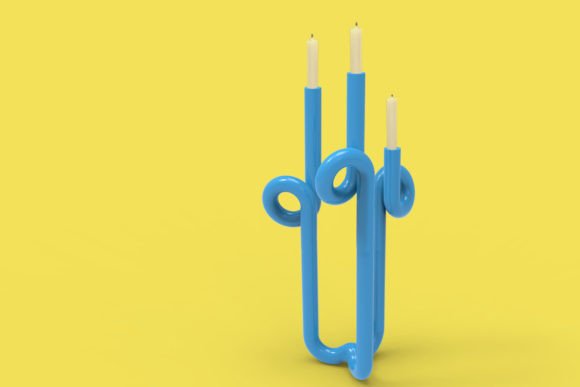
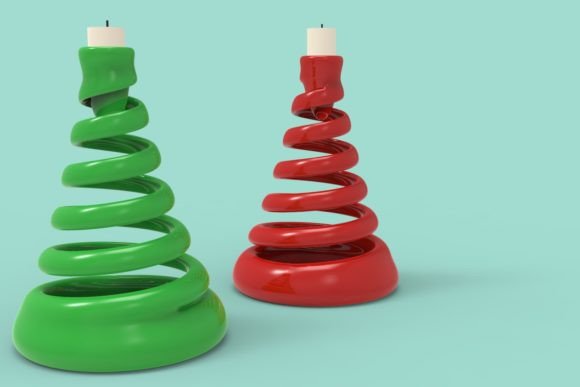
The intersection of traditional holiday aesthetics and modern fabrication technology offers a unique opportunity for home decor enthusiasts. Christmas Tree Candelabrum 3D Printing is not merely about producing a decorative object; it is about creating functional art that bridges the gap between digital design and physical warmth. When you download a model like the nice scroll Nativity candelabrum, you are acquiring more than just geometry. You are obtaining a carefully prepared blueprint designed specifically for the constraints and advantages of additive manufacturing. This specific model exemplifies how thoughtful engineering can result in a piece that is both aesthetically pleasing and materially efficient.
For creators, designers, and hobbyists, the appeal lies in the intentionality of the design. Unlike generic repository files, this Christmas Tree Candelabrum 3D Printing candle holder has been optimized for real-world use. The inclusion of a hollow interior structure is a critical feature. It serves a dual purpose: significantly reducing filament consumption and decreasing print time without compromising structural integrity. With wall thicknesses maintained between 2-3 mm, the model strikes a necessary balance. It is robust enough to handle the thermal dynamics of a burning candle while remaining light enough to be an elegant tabletop addition. This level of preparation transforms a simple print job into a reliable manufacturing process for your home.
Technical Specifications and Print Reliability
Success in 3D printing holiday decor hinges on understanding dimensional accuracy. This model is engineered with precision to accommodate standard taper candles, featuring a widest hole diameter of exactly 20 mm. This specification is vital for functionality. A hole that is too tight risks cracking the print during insertion, while one that is too loose creates a fire hazard or an unstable candle. By adhering to this standard, the design ensures compatibility with widely available wax tapers, making the final product immediately useful upon completion.
The archive provided after purchase contains both OBJ and STL files, offering flexibility for different workflows. While STL remains the industry standard for slicing, the inclusion of OBJ files allows designers and educators to import the mesh into CAD software for modification or analysis. Previewing dimensions in millimeters before printing eliminates guesswork. For small business owners or freelancers selling printed goods, this transparency reduces failed prints and material waste. It allows for accurate cost estimation and timeline planning, which are essential for maintaining profitability during the busy holiday season.
Material Selection for Safety and Aesthetics
When approaching Christmas Tree Candelabrum 3D Printing, material choice is as important as the geometry itself. Because this object will hold an open flame, safety must dictate your filament selection. Standard PLA has a low glass transition temperature and can soften dangerously near heat sources. For a functional candle holder, consider using PETG, ABS, or ASA. These materials offer higher thermal resistance and better durability. If you prefer the ease of printing with PLA, ensure you use high-temperature variants and always employ glass or metal inserts within the candle holes to create a thermal barrier between the flame and the plastic.
Aesthetically, the scroll Nativity design lends itself to various finishing techniques. The 2-3 mm wall thickness provides enough surface area for post-processing without risking burn-through during sanding. Creators can experiment with matte filaments to mimic carved wood or stone, enhancing the traditional feel of the Nativity theme. Alternatively, silk or metallic filaments can elevate the piece for modern interiors. The hollow nature of the model also makes it ideal for vapor smoothing (if using ABS/ASA), resulting in a professional, injection-molded appearance that distinguishes your work from typical layered prints.
Creative Applications and Audience Adaptation
The versatility of this Christmas Tree Candelabrum 3D Printing model extends beyond personal decoration. Different users can adapt this asset to meet specific goals across various platforms and contexts.
- Content Creators and Bloggers: Use the printing process as narrative content. Document the optimization settings, the hollow infill strategy, and the safety testing. This provides tangible value to readers looking for practical advice rather than just inspiration. High-quality macro photography of the scroll details can serve as engaging visual hooks for social media.
- Educators and Workshop Leaders: This model is an excellent teaching tool for intermediate 3D printing concepts. The hollow structure demonstrates advanced slicing techniques like modifier meshes or manual support blocking. The precise 20 mm tolerance offers a practical lesson in shrinkage compensation and calibration.
- Small Business Owners: Position this item as part of a curated holiday collection. Because the model saves material through its hollow design, your profit margins are protected even at competitive price points. Bundle it with locally sourced candles to create a complete gift set, adding perceived value through curation.
- Interior Designers and Stylists: Utilize the digital file to visualize scale within client renderings before committing to physical production. The availability of OBJ files allows for seamless integration into 3D visualization software, helping clients understand how traditional elements fit into contemporary spaces.
Customization and Personalization Strategies
While the base model is carefully prepared, the true power of 3D printing lies in adaptation. Makers should view the downloaded STL as a foundation rather than a final destination. Using basic mesh editing tools, you can emboss family names, dates, or custom messages onto the flat surfaces of the base. This transforms a standard Christmas Tree Candelabrum 3D Printing project into a bespoke heirloom. For those with multi-material capabilities, consider printing the scrollwork in a contrasting color to the main body, highlighting the intricate Nativity details without requiring painting.
Scale is another avenue for creative interpretation. While the preview shows dimensions in mm for standard use, the vector-based nature of 3D models allows for proportional resizing. A scaled-down version could serve as a tea light holder for smaller vignettes, while a larger iteration might function as a centerpiece for banquet tables. However, when scaling, remember to adjust wall thickness parameters in your slicer to maintain the 2-3 mm safety standard. Simply scaling the mesh geometrically may result in walls that are too thin for safe candle use or unnecessarily thick for smaller versions.
Maintaining Quality and Organization
To keep results clear, effective, and consistent, establish a standardized workflow for your holiday printing projects. Organize your digital assets meticulously. Rename downloaded files to include key specifications, such as "Nativity_Candelabrum_Hollow_20mm.stl," to avoid confusion later. Keep a log of successful print profiles associated with this specific model, noting temperature, speed, and cooling settings. This documentation becomes invaluable when you need to reproduce the item for gifts or sales, ensuring that the tenth print is identical to the first.
For marketers and publishers discussing this topic, focus on the practical benefits of the design features. Avoid generic descriptors. Instead of saying "beautiful," explain how the scroll pattern catches candlelight to cast dynamic shadows. Instead of "easy to print," highlight how the hollow interior reduces warping risk by minimizing thermal mass. Ground your creativity in the technical realities of the medium. This approach builds trust with an audience that values expertise and authenticity over hype.
Ultimately, Christmas Tree Candelabrum 3D Printing represents a mindful approach to holiday creation. It combines the nostalgia of the Nativity scene with the precision of modern engineering. By respecting the design intent—from the 20 mm candle diameter to the material-saving hollow core—you ensure that the final object is safe, sustainable, and stunning. Whether you are printing for personal joy, educational demonstration, or commercial venture, this model provides a reliable canvas for expressing seasonal warmth through the lens of digital fabrication.