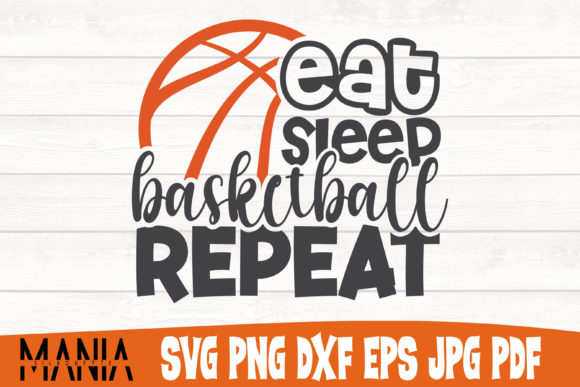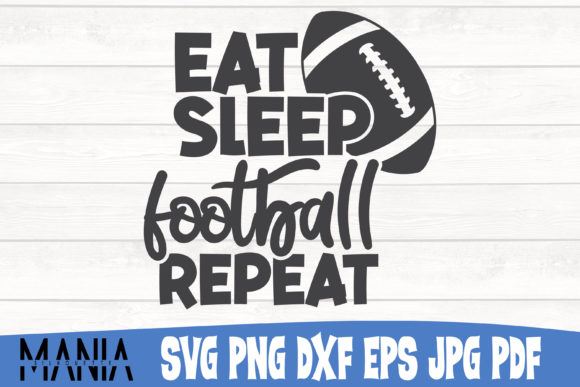
Eat Sleep Football Repeat SVG Cut File: A Designer’s Best Friend for Custom Projects
If you're into crafting, digital design, or creating custom apparel, you've probably come across SVG files. The Eat Sleep Football Repeat SVG Cut File is one such design that’s gained popularity among creators. It's more than just a trendy graphic — it's a versatile tool that opens up a world of creative possibilities. But like any digital asset, how you use it can make a big difference in the final outcome. Let’s explore what makes this file special, and how to avoid common missteps when working with it.
What Makes the Eat Sleep Football Repeat SVG Cut File Unique?
This SVG cut file is designed with football enthusiasts in mind. Whether you're creating custom t-shirts, decals, or home décor, the repetitive football theme makes it ideal for layering, resizing, and integrating into a variety of projects. The pack includes not only the SVG file but also PNG, EPS, JPEG, DXF, and PDF formats — making it compatible with a wide range of design software and cutting machines.
Because of its vector nature, the Eat Sleep Football Repeat SVG Cut File can scale to any size without losing quality. That means you can use it on a small mug or a large banner without any distortion. This flexibility is especially valuable for small business owners and hobbyists who need professional results without the hassle of redrawing graphics.
Common Mistakes When Using the Eat Sleep Football Repeat SVG Cut File
Even with a high-quality file like this, mistakes can happen — especially if you're new to working with digital cut files. Here are some pitfalls to watch out for:
1. Ignoring File Compatibility
While the Eat Sleep Football Repeat SVG Cut File is compatible with many platforms, not every file type is suitable for every project. For example, using the JPEG version for intricate vinyl cutting can lead to poor results since JPEGs are raster images and don't scale as cleanly as vector files.
Better approach: Use the SVG or DXF format when working with cutting machines like Cricut or Silhouette. These vector-based files maintain sharp edges and precision at any size.
2. Skipping Layer Organization
One of the advantages of this pack is that the layers are well-defined and tested. However, some users skip reviewing the layer structure and end up with misaligned or overlapping elements.
Better approach: Take a few minutes to inspect the layers in your design software. Adjusting layer order and grouping can prevent alignment issues and improve your final output.
3. Resizing Without Checking Constraints
Because SVG files are scalable, it’s tempting to stretch them to fit any design. But sometimes, resizing too much can cause spacing issues or make small details disappear.
Better approach: Test your design at different sizes before cutting or printing. Use the preview function in your software to catch any distortion early.
4. Overlooking File Resolution in Raster Formats
The JPEG and PNG files included are raster images. While they're useful for certain applications like heat transfer, they can lose clarity when enlarged too much.
Better approach: Stick to the recommended size range for raster files. If you need a larger print, use the SVG or PDF version instead.
What to Check Before Downloading or Using the Eat Sleep Football Repeat SVG Cut File
Before you dive into your project, take a moment to verify a few key points to ensure smooth sailing:
- Software Compatibility: Make sure the file types included work with your preferred design tools. For example, if you use Adobe Illustrator, the EPS and PDF files will be your best bet.
- Layer Structure: Look for well-organized layers that make editing easy. A clean file structure saves time and reduces errors.
- Usage Rights: Confirm whether the file can be used commercially. This is crucial if you're selling items with the design.
- Support and Updates: Some creators offer support or updates for their files. It's worth checking if the designer provides assistance if issues arise.
Maximizing the Value of the Eat Sleep Football Repeat SVG Cut File
Once you’ve avoided the common mistakes, you can start making the most of this versatile design asset. Here are a few practical tips:
- Use Layers for Customization: Modify individual elements — like changing colors or removing parts of the pattern — to suit your project needs.
- Combine with Other SVGs: Mix the Eat Sleep Football Repeat SVG Cut File with other designs to create unique compositions for seasonal events or themed collections.
- Test on Different Materials: Try the design on fabric, vinyl, wood, or even glass to see how it adapts to various surfaces and textures.
- Print a Sample First: Especially for complex projects, do a small test print or cut before committing to your final material.
Real-World Examples of Smart Usage
Let’s look at a couple of real-life applications where attention to detail made a difference:
- Custom Team Apparel: A local football coach wanted to create team shirts using the Eat Sleep Football Repeat SVG Cut File. By using the SVG format and adjusting the spacing between elements, they achieved a clean, professional look without distortion.
- Home Décor Project: A DIY blogger used the design on a wall decal. She resized the SVG to fit the wall perfectly and used layers to separate the colors for easy vinyl application.
Final Thoughts
The Eat Sleep Football Repeat SVG Cut File is a powerful tool in the hands of a thoughtful creator. Its flexibility, scalability, and compatibility make it a standout choice for a wide range of projects. But like any digital file, it requires a bit of care and attention to get the best results.
By understanding how to avoid common mistakes and making smart choices during setup and application, you’ll not only improve the quality of your work but also save time and reduce material waste. Whether you're a hobbyist or a small business owner, this file can become a go-to asset in your creative toolkit — as long as you use it wisely.