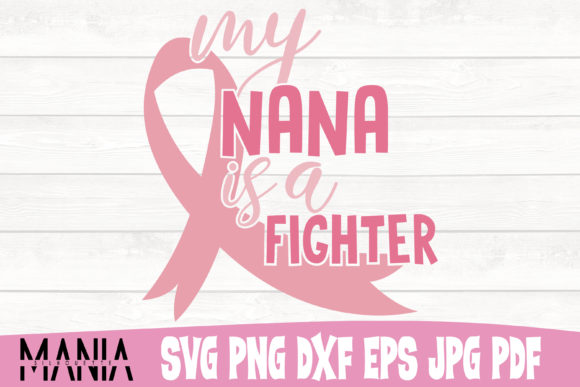
My Nana is a Fighter Cancer Cut File: A Creative Tool with Purpose and Precision
For crafters, designers, and entrepreneurs working in digital design and vinyl cutting, the My Nana is a Fighter Cancer Cut File offers a meaningful and versatile option for creating custom, heartfelt projects. Whether you're designing a personalized shirt, a wall decal, or a keepsake for a loved one, this cut file brings both emotional resonance and technical flexibility to your work.
Understanding the Value of This Cut File Pack
The My Nana is a Fighter Cancer Cut File is more than just a design—it's a ready-to-use creative asset that includes SVG, PNG, EPS, JPEG, DXF, and PDF formats. This variety ensures compatibility across a wide range of design software and cutting machines, including Cricut Explore, Silhouette Studio, Adobe Illustrator, and more. The layered, well-organized structure of the files makes them easy to edit, scale, and apply without losing quality, whether you're printing on fabric, vinyl, or even preparing for digital animation.
Common Mistakes When Choosing and Using Cut Files
Even experienced designers can overlook key details when selecting or using digital cut files. Here are some common pitfalls to avoid when working with the My Nana is a Fighter Cancer Cut File, and how they can impact your project:
1. Assuming All File Types Are Interchangeable
While the pack includes multiple file formats, each has a specific use. For example, SVG files are ideal for cutting machines, while EPS files are best for vector editing in Adobe Illustrator. Using the wrong file type can lead to poor scaling, loss of detail, or compatibility issues.
Better approach: Match the file format to your intended use. Use SVG or DXF for cutting, PNG for overlays or digital mockups, and EPS or PDF for high-quality print layouts.
2. Overlooking File Organization
Some users jump straight into using the file without checking how the layers are structured. If you're planning to modify colors, text, or elements of the design, understanding the layering can save you time and prevent frustration.
Better approach: Open the file in your preferred design software first and explore the layers panel. Group or ungroup elements as needed before resizing or adjusting.
3. Ignoring Scaling Guidelines
Although these files are infinitely scalable, not all materials or machines handle extreme sizes the same way. Attempting to print a very large design on a small heat press or cutting machine can result in incomplete cuts or misalignment.
Better approach: Test the design at a smaller size first, especially if you're using it for the first time. Then gradually scale up while checking your machine’s size limitations and material compatibility.
4. Not Previewing Before Cutting or Printing
Skipping the preview step can lead to wasted materials, especially if elements are misplaced or layers are misaligned. This is particularly important when using transparent PNG files or multi-layered SVGs.
Better approach: Always use the “print preview” or “cut preview” feature in your software. This helps you catch alignment issues, size mismatches, or layer problems before committing to your final material.
What to Check Before You Buy or Use This File
Before downloading or purchasing the My Nana is a Fighter Cancer Cut File, take a moment to verify a few key details that will ensure your project runs smoothly:
- Compatibility: Confirm that the file types included work with your specific software and hardware.
- License: Make sure the file allows for both personal and commercial use, especially if you're creating items for sale.
- Layer Organization: Look for a preview or description that mentions how the layers are structured. Well-organized files save time during editing.
- Customer Support: Some sellers offer support or updates for their files—this can be a lifesaver if you run into issues or need a format not originally included.
Getting the Most from Your Design
Using the My Nana is a Fighter Cancer Cut File effectively isn't just about avoiding mistakes—it's about making thoughtful, creative choices that enhance your final product. Here are a few tips to elevate your project:
- Pair with complementary designs: Combine this file with coordinating cut files or fonts to create a cohesive look for t-shirts, mugs, or posters.
- Test on different materials: Try the design on iron-on vinyl, heat transfer paper, or even wood to see how it adapts to various surfaces.
- Customize with color: Use the layered structure to apply different colors or gradients, especially when using the file in Adobe Photoshop or Illustrator.
- Resize thoughtfully: Keep the design readable and impactful by adjusting spacing and font thickness when scaling up or down significantly.
Final Thoughts
The My Nana is a Fighter Cancer Cut File is a powerful tool for anyone looking to create emotionally meaningful, high-quality designs. With the right approach, it can be used across a wide variety of projects without sacrificing clarity or flexibility. By understanding the file types, avoiding common mistakes, and taking time to test and adjust, you’ll ensure your final product looks professional and communicates exactly what you intend.
Whether you're a hobbyist, small business owner, or digital creator, this cut file offers both creative freedom and technical reliability. Treat it as more than just a download—see it as an opportunity to craft something beautiful and purposeful.