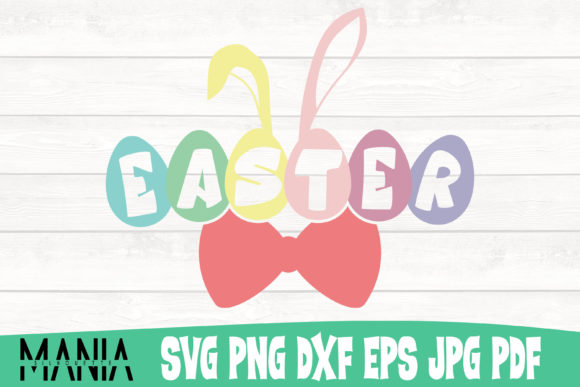
Easter Bow Tie Svg Cut File Design: Strategic Value for Creative Entrepreneurs and Makers
For entrepreneurs, marketers, and independent creators, design assets like the Easter Bow Tie Svg Cut File Design are more than decorative elements—they're tools that directly influence branding, customer engagement, and product quality. This particular cut file pack offers a versatile, scalable solution for crafting Easter-themed products across multiple platforms and materials. Whether you're designing custom apparel, creating seasonal marketing assets, or producing physical goods for resale, understanding how to strategically implement this SVG design can significantly enhance both efficiency and outcomes.
Understanding the Components of the Easter Bow Tie Svg Cut File Design
The Easter Bow Tie Svg Cut File Design pack is engineered for flexibility and precision. It includes SVG, PNG, EPS, JPEG, DXF, and PDF formats—each serving a distinct purpose in the creative and production workflow. SVG files are ideal for digital cutting machines like Cricut and Silhouette Studio, enabling precise cuts for vinyl, fabric, and paper. PNG files with transparent backgrounds allow for seamless integration into digital marketing or print layouts. EPS and DXF files support scalable vector editing, while JPEG files cater to heat transfer and iron-on applications. The PDF consolidates all clip art into a single reference document, streamlining asset management.
Why Scalable Vector Graphics Matter in Modern Design Workflows
Unlike raster images that lose quality when scaled, SVG files maintain clarity at any size. This scalability is critical when repurposing the Easter Bow Tie Svg Cut File Design across different mediums—from small greeting cards to large-scale fabric prints. Designers and business owners benefit from this flexibility by reducing the need for multiple file conversions or redesigns. Additionally, the ability to edit layers and components within Adobe Illustrator or other vector-based software allows for deeper customization without compromising quality.
Strategic Use Cases Across Industries and Applications
- Custom Apparel and Accessories: Print the Easter Bow Tie design on baby clothes, tote bags, or boutique hats using a Cricut Explore or Silhouette Cameo.
- Seasonal Marketing Materials: Integrate the design into social media posts, email newsletters, or landing pages to reinforce brand seasonality and engagement.
- Educational and Craft Kits: Teachers and hobbyists can use the design in classroom projects or DIY kits, leveraging the transparent PNG for layered crafting tutorials.
- Print-on-Demand Products: Incorporate the design into mugs, stickers, or wall art listings on platforms like Etsy or Amazon Merch, ensuring high-quality output at any size.
Planning for Purpose: How to Align Design Use with Business Goals
Using the Easter Bow Tie Svg Cut File Design without a clear objective can lead to wasted time and diluted brand messaging. Start by identifying your end goal: Are you launching a seasonal product line? Strengthening visual consistency across marketing assets? Enhancing customer experience with themed packaging? Once defined, map out how this design will support that goal. For instance, if launching a spring collection, ensure the design complements your brand colors, fits within your product dimensions, and aligns with your target audience’s aesthetic preferences.
Integrating the Design into Workflow Without Compromising Efficiency
Efficiency is key for small business owners and freelancers juggling multiple responsibilities. The Easter Bow Tie Svg Cut File Design supports streamlined workflows by being compatible with a wide range of tools—Cricut, Silhouette Studio, Adobe Photoshop, and even 3D modeling software. To maximize efficiency:
- Organize layers in design software to ensure easy editing and reuse.
- Create templates for common product formats (e.g., t-shirts, stickers) to speed up production.
- Batch process designs to minimize repetitive setup time.
Designing for Long-Term Brand Consistency
While the Easter Bow Tie Svg Cut File Design is inherently seasonal, it can also serve as a foundation for broader brand storytelling. Consider how this design fits into your larger visual identity—does it align with your brand’s color palette, tone, and style? If so, you can reuse elements across multiple campaigns or product lines, reinforcing brand recognition even beyond the Easter season. This strategic reuse helps maintain consistency while reducing the need for constant new design creation.
Potential Risks of Misaligned or Reactive Design Use
Design elements like the Easter Bow Tie Svg Cut File Design are powerful, but they can become liabilities if used without intention. Common pitfalls include:
- Overusing the design across unrelated products, diluting brand focus.
- Misaligning the design with your audience’s expectations or seasonal timing.
- Ignoring technical requirements (e.g., file resolution for large prints or compatibility with your machine).
Customization and Creative Control: Beyond the Template
One of the strongest advantages of the Easter Bow Tie Svg Cut File Design is its editability. Unlike static images or pre-cut cartridges, vector-based files allow for complete customization. You can adjust colors, layer elements, or combine the design with other graphics to create something uniquely tailored to your brand. This level of creative control is essential for entrepreneurs and creators who want to differentiate their offerings in competitive markets.
Choosing the Right Tools and Techniques for Implementation
Not all design software or cutting machines perform the same way. To get the most from the Easter Bow Tie Svg Cut File Design, consider:
- Your preferred editing environment (e.g., Adobe Illustrator vs. Silhouette Studio).
- The material you’re working with (e.g., vinyl, fabric, or iron-on transfers).
- The final application (e.g., digital marketing vs. physical product creation).
Measuring the Impact of Design Choices
Ultimately, the value of the Easter Bow Tie Svg Cut File Design lies in its contribution to your business or creative goals. Track metrics such as customer engagement, conversion rates, or product satisfaction to assess whether the design is resonating with your audience. If a particular use case underperforms, revisit your implementation strategy and refine your approach for future seasons or projects.